A sabbatical is different from an accidental gap: you chose it. That distinction is your whole advantage, because a recruiter reading “career break” fears risk, while a recruiter reading a clear, dated, purposeful entry reads someone who plans ahead. The job is to make the choice visible on the page rather than leaving a silent blank between two roles.
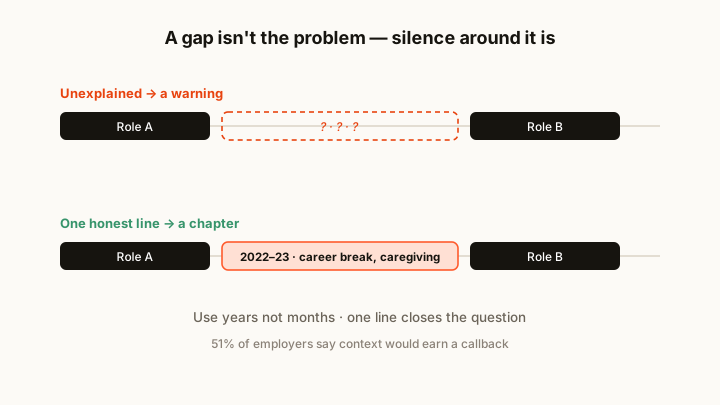
Give it a line, not a hole
Do not delete the time or fudge the dates to paper over it. An unexplained gap makes an interviewer suspicious; a labelled one makes them curious. Put it in the work-history section as its own entry, with real dates, so the timeline reads cleanly.
- Name it plainly: “Career sabbatical” or “Planned career break” as the role title, with the month-and-year range.
- State the purpose in one line: caregiving, travel, study, recovery, or a personal project. You owe a headline, not a diary.
- Add what you kept sharp: a course finished, freelance work, a language learned, volunteering. One bullet is enough.
- Signal the close: a short note that you are returning refreshed and ready reassures the reader you are back for good.
Match the honesty to the reason
Some sabbaticals were for health or family, and you are not obliged to explain those in detail. “Personal reasons, now resolved” is a complete and professional answer, on the page and in the room. Save the fuller story for an interview, and only as much as you choose to share.
Where the break involved real activity, treat it like a role: a verb, a result, a number if you have one. “Completed a six-month data course and shipped two portfolio projects” is a stronger line than most people’s actual jobs.
The difference from an accidental gap
An unplanned gap and a sabbatical get the same one-line treatment, but the framing differs: a sabbatical leads with intent (“planned break to complete X”), while an involuntary gap leads with a plain fact and what you did with the time. Both beat silence. The wider case — including layoffs and caregiving — is in how to describe a career gap.
Point it forward
The best framing ties the break to the next step, which is exactly what a career switcher needs. Once it is on the page, our guide to career gaps covers the wider case, the resume summary generator writes a top line that owns the story, and our CV guide sets the structure. When you tailor for a specific role, this walkthrough shows how to make the return read as a fit.