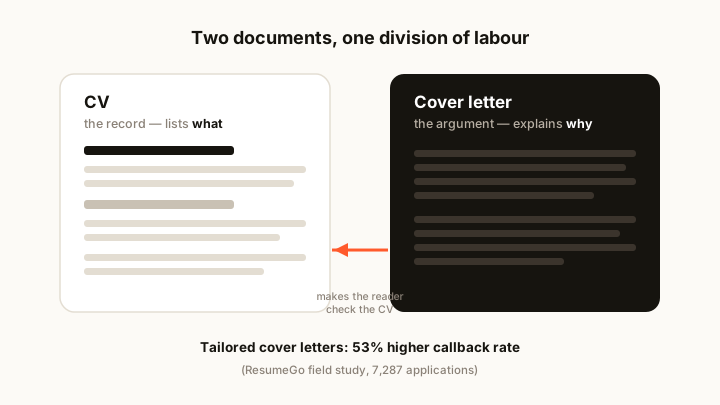
A CV and a cover letter are not two versions of the same document. The CV is a structured record of what you have done. The cover letter is an argument for why that record matches this specific post. When applicants blur the two, the letter becomes a prose retelling of the CV, and both weaken.
And the letter is worth getting right. In ResumeGo’s field experiment — 7,287 real applications — those with a cover letter tailored to the job earned a 53% higher callback rate than applications with none (16.4% vs 10.7%). A generic letter barely beat sending nothing. The value is entirely in the tailoring.
What the cover letter does that the CV cannot
The CV lists; the letter interprets. It connects the dots a reviewer would otherwise have to connect themselves, explaining why a particular sequence of roles leads logically to this one. It is also the only place to address context a CV cannot: a career change, a gap, a relocation, or a reason you are drawn to this institution in particular.
- Frame the fit: name the role and show why your record answers its stated needs.
- Explain the non-obvious: a pivot, a gap, or an unusual path, briefly and without apology.
- Show voice: the letter is where a committee hears you think, not just tallies your output.
Keep the division of labour clean
Do not restate achievements the CV already carries. Instead, pick the two or three most relevant and explain their significance for this employer. A good letter makes the reader turn to your CV wanting confirmation of a claim you have just made, rather than duplicating what they will find there.
Length discipline matters. One page, three or four short paragraphs, addressed to a named person wherever possible. In academic and formal applications the letter often carries more weight than the CV, because it is where scholarly fit and motivation are assessed.
Tailor the letter, not just the CV
You may reuse a CV across several applications with light edits, but the letter should be written fresh each time. Its whole value is specificity — which is exactly what the ResumeGo numbers show: the tailored letter moved the needle, the generic one didn’t. A letter that could be sent to any employer signals to a reader that no real thought went into this one. For the full structure — hook, body, close — and when a letter is worth writing at all, see how to write a cover letter.
The cover letter generator drafts a tailored letter from your CV and the job post, so the two documents stay aligned without repeating each other. To sharpen the CV underneath it, the resume checker flags weak lines, and tailor per role shows how to adjust both documents for a specific opening.