A relocation-ready resume does one extra job beyond a normal one: it settles the doubts an overseas employer has about hiring someone abroad. Before they read your experience, they wonder whether you can legally work there and whether you are serious about the move. Answer both up front, briefly, and the rest of your resume gets a fair reading.
Signal your intent and your status early
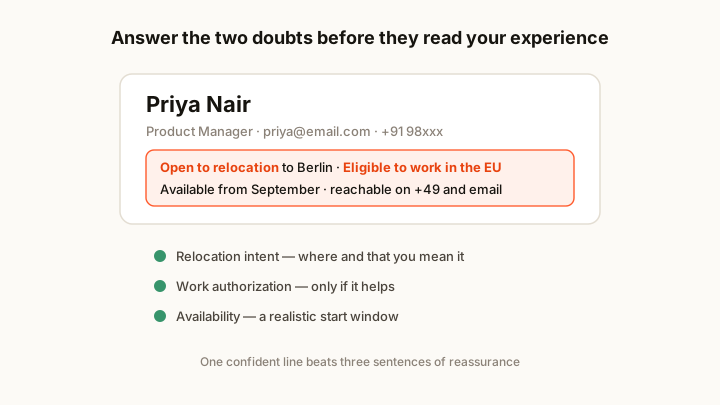
Do not make a recruiter guess your location plans. A one-line note near the header or in a short summary handles it. State that you are open to relocation, and if your work authorisation is straightforward, say so, because “eligible to work in the EU” or “holds a valid work visa” removes the single biggest reason to skip an overseas candidate.
- Relocation line: “Open to relocation to [city or region]”, placed where it is seen first.
- Work authorisation: name it only if it helps, such as a passport, existing visa, or sponsorship-free status. (More on the exact wording in navigating visa sponsorship language.)
- Availability: a realistic start window, so they know you can actually move on their timeline.
- A local or reachable contact: an email plus a phone number with the correct country code.
Localise the document, keep the evidence
Your achievements do not change, but the packaging should meet the destination. Match the country’s length norm and its English spelling, and add short context for anything a foreign reviewer will not recognise, like naming the country beside a city or glossing a well-known local employer in a few words. This is tailoring, not fabrication; the facts stay exactly as they are. The full localisation checklist — paper size, dates, photo norms — is in the international resume guide.
Address the obvious worry without over-explaining
Employers fear a long-distance hire will fall through. You counter that with a confident, specific tone, not a paragraph of reassurance. One clear relocation line does more than three sentences of justification. If sponsorship is genuinely needed, be honest about it rather than hiding it until an offer stage where it derails everything.
Compare: “I have always dreamed of living abroad and would relocate for the right opportunity if things work out” leaks doubt. “Open to relocation to Berlin; eligible to work in the EU; available from September” reads as someone who has already decided and done the homework.
Tailor each version with the tailor-per-role guide, confirm the file parses in a foreign system with the ATS checker, and read international CV standards for expats for the wider picture. Build the localised version in the resume builder.