When you apply across borders, the recruiter’s first silent question is not “can you do the job.” It is “can you legally start it.” Answer that before they ask, in one clean line, and you turn a source of doubt into a non-issue. Bury it, or leave it out, and a cautious reviewer will often move on rather than chase you for clarification.
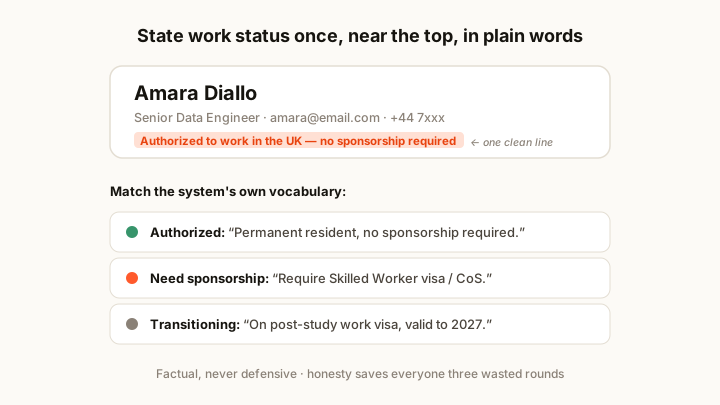
Say your status in one line, near the top
Put a short status note in your header or a one-line summary, not in a cover letter they may never open. Match the country’s own vocabulary. In the US, phrases like “Authorized to work for any US employer” or “Require H-1B sponsorship” are understood instantly. In the UK, “Hold Skilled Worker visa” or “Require Certificate of Sponsorship” does the same job. Use the term the immigration system uses, not a paraphrase.
Be honest about what you need
The temptation is to soften a sponsorship requirement so it slips past filters. Resist it. A recruiter who invests three interview rounds only to hit a visa wall will not forgive the omission, and small industries remember. If you need sponsorship, say so plainly. If you are already authorized, say that too, because it is a genuine advantage worth stating clearly.
- Already authorized: name it directly, for example “Permanent resident, no sponsorship required.”
- Need sponsorship: state the specific visa or route, so employers who sponsor can self-select in.
- Transitioning: note current status and expiry, for example “On post-study work visa valid to 2027.”
Keep it factual, never defensive
One neutral sentence is enough. No apology, no long explanation of your circumstances, no promises about future paperwork. The resume states facts; the interview is where nuance lives. Recruiters read fast, so a status line that is calm and specific signals someone who understands the process and will not create surprises later.
Two lines, same fact: “Please consider sponsoring me as I really need this opportunity” reads as anxious and vague. “Require H-1B sponsorship” reads as someone who knows exactly how the process works. The second is shorter, and stronger.
Where it sits in the bigger picture
Work authorization is one of a handful of details that localise a cross-border application — alongside paper size, dates, and phone format. The full set lives in the international resume guide, and if you’re also moving countries, pair this with a relocation-ready resume.
Set the tone with a clear header from the AI resume builder, test that your status line survives parsing with the ATS checker, and read international CV standards for expats before you send a cross-border application.